- myFICO® Forums
- Types of Credit
- Credit Cards
- bottom and top tier cards cards for each major com...
Options
- Subscribe to RSS Feed
- Mark Topic as New
- Mark Topic as Read
- Float this Topic for Current User
- Bookmark
- Subscribe
- Mute
- Printer Friendly Page
Turn on suggestions
Auto-suggest helps you quickly narrow down your search results by suggesting possible matches as you type.
Showing results for
bottom and top tier cards cards for each major company ?


Is your credit card giving you the perks you want?
Browse credit cards from a variety of issuers to see if there's a better card for you.
- « Previous
- Next »

- Mark as New
- Bookmark
- Subscribe
- Mute
- Subscribe to RSS Feed
- Permalink
- Report Inappropriate Content
02-13-2014
10:17 AM
02-13-2014
10:17 AM
Re: bottom and top tier cards cards for each major company ?
Well, as far as Chase goes at least...
Freedom is the entry-level card. Sapphire is the premiere. The co-branded cards all fall somewhere between the two.
With Cap One, Platinum Secured and Journey are the entry cards. Venture is the top shelf card. Quicksilver and Classic Platinum fill in the void between.
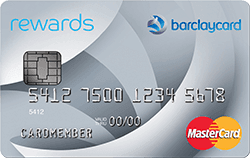
Barclaycard's entry-level offering is the generic Rewards MasterCard. Arrival is their premiere. The thousand other co-branded cards that they offer all fall somewhere between.
That's at least what I gather given a restricted definition of "low-tier" and "high-tier".
I Have Way Too Many of These.
American Express - No CLI or Appreciation Gift in 7 Years
Citibank - Handing Out Credit Limits Like Candy




Chase - Surprisingly, Still Tolerating My Credit-Chasing Ways



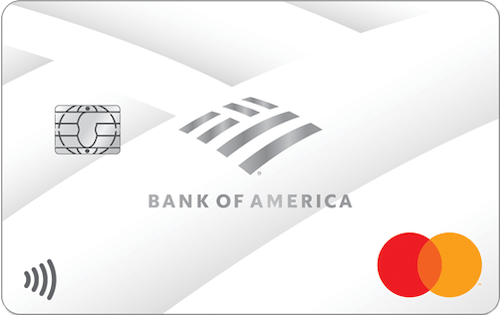
Bank of America - My Newest Bae.


Everyone Else.



American Express - No CLI or Appreciation Gift in 7 Years
Citibank - Handing Out Credit Limits Like Candy
Chase - Surprisingly, Still Tolerating My Credit-Chasing Ways
Bank of America - My Newest Bae.
Everyone Else.
Message 21 of 24
0
Kudos

Anonymous
Not applicable
- Mark as New
- Bookmark
- Subscribe
- Mute
- Subscribe to RSS Feed
- Permalink
- Report Inappropriate Content
02-13-2014
12:07 PM
02-13-2014
12:07 PM
Re: bottom and top tier cards cards for each major company ?
@Stralem wrote:Well, as far as Chase goes at least...
Freedom is the entry-level card. Sapphire is the premiere. The co-branded cards all fall somewhere between the two.
With Cap One, Platinum Secured and Journey are the entry cards. Venture is the top shelf card. Quicksilver and Classic Platinum fill in the void between.
Barclaycard's entry-level offering is the generic Rewards MasterCard. Arrival is their premiere. The thousand other co-branded cards that they offer all fall somewhere between.
That's at least what I gather given a restricted definition of "low-tier" and "high-tier".
Not sure I would agree with all of that. For example, I don't think Venture and Quicksilver for Excellent credit differ in requirements.
Message 22 of 24
0
Kudos

- Mark as New
- Bookmark
- Subscribe
- Mute
- Subscribe to RSS Feed
- Permalink
- Report Inappropriate Content
02-13-2014
12:32 PM
02-13-2014
12:32 PM
Re: bottom and top tier cards cards for each major company ?
@Themanwhocan wrote:
@Revelate wrote:
@Anonymous wrote:
@Stralem wrote:This is a tough question. What exactly constitutes "low tier" or "high tier"? Excluding really obvious tiered cards like the Palladium and Centurion on the high-end and anything from First Premiere on the garbage-end, it's not as cut-and-dry as you might think.
Chase's Freedom, for example, is the first Chase card that many people get, but it's not trivially easy to acquire. Just search the forum for all the threads by people who have tried and failed to do so. So given allo that, is the Freedom an "entry-level" card or not? I honestly couldn't tell you.
I think the Freedom is one of Chase's entry level cards (along with say the Slate) simply because it is easier to get than some of the other cards, such as CSP (which are easier to get than the Palladium!) But "entry level" doesn't mean anything negative, or imply that is itrivial to get, merely that, for that particular issuer, you would be more likely to be approved for that than one of the higher tiered cards.
But I agree it is not cut and dried in most cases. Sometimes, like with say US Bank, they tell you that if they are unable to approve you for the Cash Plus, you will be considered for (don't recall the name). So that tells us the order between those two cards. In other situations it is if we cannot give you the Sig/World we will consider you for the Platinum.
IF you go by UW guidelines (which is about all you can do really) I fully agree with longtimelurker.
That said, I think it's pointless: some cards are better suited for an individual others - much as I'm surprised by it, the Freedom this year is better than a CSP for me, but it's not debatable that Freedom is Chase's entry level card currently, and CSP is effectively their top tier (Palladium doesn't count in my estimation: deposit $100k and pay a fee for mediocre benefits /yawn, I could get that card and I'm not so certain I could get a CSP right now though if I took the 100k deposit I probably could).
You can find pretty similar things for virtually every lender out there, but these things change on a regular basis. As an example neither the CSP nor Amex's BCP are nearly as presetigous from an underwriting perspective as they were up to the first half of 2012. Until consumers start defaulting again, we're still seeing a race to the bottom as the newly banked consumers is likely a blue water market.
HEH. You said blue...
Unfortunately, its not as cut and dry as putting the cards into pidgeon holes. Freedom isn't very useful at all to me, though the $200 signup bonus came in handy. But for someone with a CSP that can convert points earned at 5X and multiply them by transferring to a travel rewards system, then it probably becomes one of the best. People complain about the US Bank Cash+, but I have no trouble using it just enough to earn $100 of rewards in a year and qualifying for a $25 debit card, making that a 6.25% cash back card. Some people LOVE the Amex BCP for its 6% Grocery, but you have to only use it for ONLY grocery, and spend exactly $1500 each quarter to maximize the return, and even then you only earn 4.75% cash back due to the annual fee. Most people wouldn't hit those quarterly targets exactly, which would reduce the value of that card alot.
To jump to another thought, a 5% rotator card would have to be considered high tier. You only consider the best return %, even if that is only useful to a particular person in certain categories or certain quarters of the year. It is up to the user of the card to use it properly to maximize profit. So, to summarize:
Phase 1) Collect high tier cards
Phase 2) ??
Phase 3) Profit!
I actually use the 3% on grocery stores and department stores every now and then.
Gas: Discover It, Penfed Platinum Rewards x2, Chase freedom, Citi TYP
Plane tickets: CSP
Groceries: AMEX BCP, Penfed Platinum Rewards,Citi TYP
Clothes: Express, Amex BCP, Discover IT
Amazon: Citi Forward, Cash +
Restaurants: Citi Forward, Chase Freedom, Discover IT, CSP
Hotels and other travel: Discover Escape, CSP
Movies: BofA travel rewards visa signature(fandango), Discover IT, Citi Forward, Freedom
Bars, clubs, tomfoolery: CSP, Citi Forward, Discover IT, Freedom
Balance transfers: Kroger 123 rewards
Bill Pay: Chase Ink Plus, Citi Forward,
Everyday spending: Bofa Accelerated cash rewards amex, Discover Escape
Plane tickets: CSP
Groceries: AMEX BCP, Penfed Platinum Rewards,Citi TYP
Clothes: Express, Amex BCP, Discover IT
Amazon: Citi Forward, Cash +
Restaurants: Citi Forward, Chase Freedom, Discover IT, CSP
Hotels and other travel: Discover Escape, CSP
Movies: BofA travel rewards visa signature(fandango), Discover IT, Citi Forward, Freedom
Bars, clubs, tomfoolery: CSP, Citi Forward, Discover IT, Freedom
Balance transfers: Kroger 123 rewards
Bill Pay: Chase Ink Plus, Citi Forward,
Everyday spending: Bofa Accelerated cash rewards amex, Discover Escape
Message 23 of 24
0
Kudos
- Mark as New
- Bookmark
- Subscribe
- Mute
- Subscribe to RSS Feed
- Permalink
- Report Inappropriate Content
02-13-2014
01:28 PM
02-13-2014
01:28 PM
Re: bottom and top tier cards cards for each major company ?
@Anonymous wrote:Not sure I would agree with all of that.
Don't worry, I'm not sure that I agree either.
This really is a tricky question.
I Have Way Too Many of These.
American Express - No CLI or Appreciation Gift in 7 Years
Citibank - Handing Out Credit Limits Like Candy
Chase - Surprisingly, Still Tolerating My Credit-Chasing Ways
Bank of America - My Newest Bae.
Everyone Else.
American Express - No CLI or Appreciation Gift in 7 Years
Citibank - Handing Out Credit Limits Like Candy
Chase - Surprisingly, Still Tolerating My Credit-Chasing Ways
Bank of America - My Newest Bae.
Everyone Else.
Message 24 of 24
0
Kudos
† Advertiser Disclosure: The offers that appear on this site are from third party advertisers from whom FICO receives compensation.