- myFICO® Forums
- FICO Scoring and Other Credit Topics
- Understanding FICO® Scoring
- Alien seeks advice
Options
- Subscribe to RSS Feed
- Mark Topic as New
- Mark Topic as Read
- Float this Topic for Current User
- Bookmark
- Subscribe
- Mute
- Printer Friendly Page
Turn on suggestions
Auto-suggest helps you quickly narrow down your search results by suggesting possible matches as you type.
Showing results for
Alien seeks advice


Is your credit card giving you the perks you want?
Browse credit cards from a variety of issuers to see if there's a better card for you.

- Mark as New
- Bookmark
- Subscribe
- Mute
- Subscribe to RSS Feed
- Permalink
- Report Inappropriate Content
01-29-2025
01:33 PM
01-29-2025
01:33 PM
Alien seeks advice
Hi thanks for looking. Non-resident alien here, with an admiration and respect for your fine country. I'll briefly describe my interaction and progress so far under the US financial system. I'd be grateful for some direction on what to do next, and my goal is to eventually be approved for a Chase Sapphire Reserve with a reasonably high limit so I can make proper use of it on my frequent travels.
In mid-2020 I opened a checking account through the friendly internal international referral scheme of my bank at home. A few months later they granted me a Mastercard with a limit of $7k. Early 2021, in a similar way via an existing international relationship, I took out an Amex card with a limit of $9.5k. I've only used the Mastercard occasionally, but have used the Amex card pretty much every month, even if only tiny recurring purchases. Both cards have always been paid in full and early. The Mastercard never had a balance above $300 for even a day, but the Amex has occasionally got up to about $3k albeit only for a week or two before being cleared early. Both cards still have their original limits. I've never applied for limit increases, nor have I been offered any.
I knew that in theory I could/should be building up a FICO score, but that without a US address, SSN or ITIN, there'd probably be no way of seeing it or doing anything with it. I therefore decided to spend a little time and effort in the last couple of years trying to develop my situation. I now have an ITIN, a paid mail receiving address, and a US mobile number. Long story short, for the last few months I've been seing my FICO score being pulled and shown on my Mastercard statement. Anyway, when I first started seeing it about five months ago it was 747 I think, and this month it's 765.
I think the big test now will be whether I can pre-qualify for a card with a provider that I won't have a leg up with due to an existing international relationship i.e. as a completely fresh new customer, but I'm a bit nervous about potentially not making the best choice due to a lack of experience. In addition to general direction/advice, I'd also be grateful for answers to a couple of questions to improve my understanding of the system.
1) I've been reading that in the US 30% is the rule of thumb, and that the lower the better/the average person with an 800+ score only has 11% utilization etc. Is this 30% rule just for people who let a balance roll over month to month, or does it also apply to not keeping a balance above 30% on the statement issue date? If I always pay in full and early, does it matter if I spend a lot of my limit each month?
2) As far as I'm aware, my ITIN hasn't been 'attached' to my credit profile yet. Is there any way to do that, and would it help improve the score over time?
Labels:
Message 1 of 6
0
Kudos
5 REPLIES 5

- Mark as New
- Bookmark
- Subscribe
- Mute
- Subscribe to RSS Feed
- Permalink
- Report Inappropriate Content
01-29-2025
01:39 PM
01-29-2025
01:39 PM
Re: Alien seeks advice
@Mister wrote:1) I've been reading that in the US 30% is the rule of thumb, and that the lower the better/the average person with an 800+ score only has 11% utilization etc. Is this 30% rule just for people who let a balance roll over month to month, or does it also apply to not keeping a balance above 30% on the statement issue date? If I always pay in full and early, does it matter if I spend a lot of my limit each month?
Your credit score at any given point in time will be highest when you only have one credit card reporting a balance under 9%, preferably 1%.
But you don't get any credit score building benefit for keeping utilization low other than the fact that your credit score at this very moment in time will be as high as it can possibly be. So you don't need to worry about your utilization really. Pay your statement balance in full by the due date and you're all set.
What I believe most people (here) would reccomend is trying to only have one card reporting a very low statement balance on your credit report if you're getting ready to apply for something so that your credit score is as high as it can possibly be.
Starting FICO 8: 


Current FICO 8:


Current FICO 8:
















Message 2 of 6


- Mark as New
- Bookmark
- Subscribe
- Mute
- Subscribe to RSS Feed
- Permalink
- Report Inappropriate Content
01-29-2025
02:10 PM
01-29-2025
02:10 PM
Re: Alien seeks advice
@Mister wrote:1) I've been reading that in the US 30% is the rule of thumb, and that the lower the better/the average person with an 800+ score only has 11% utilization etc. Is this 30% rule just for people who let a balance roll over month to month, or does it also apply to not keeping a balance above 30% on the statement issue date? If I always pay in full and early, does it matter if I spend a lot of my limit each month?
2) As far as I'm aware, my ITIN hasn't been 'attached' to my credit profile yet. Is there any way to do that, and would it help improve the score over time?
Welcome to the Forum
Fico looks at the highest individual revolving card balance reported as well as reported aggregate revolving utilization. For optimum scoring it's usually recommended to not let any individual card report a balance over 29%, and aggregate reported utilization over 9%. Charge cards like Amex, Green, Gold and Platinum aren't factored into revolving utilization.
As far as your spending, as long as you continue to build positive payment history by paying the balances in full every month, feel free to spend as much of your limit as you want on your cards. This type of behavior consistently over the course of several months is often rewarded with automatic credit limit increases. As @GZG said, unless people are planning a major purchase such as a home, or car, there's no need to micro manage scores.
As for attaching your ITIN to your credit report, You can do so in but believe it has to be done through the mail with each of the credit bureaus, but I don't believe there's any score benefits in doing so.
Message 3 of 6

- Mark as New
- Bookmark
- Subscribe
- Mute
- Subscribe to RSS Feed
- Permalink
- Report Inappropriate Content
01-29-2025
02:23 PM
01-29-2025
02:23 PM
Re: Alien seeks advice
@Mister wrote:Hi thanks for looking. Non-resident alien here, with an admiration and respect for your fine country. I'll briefly describe my interaction and progress so far under the US financial system. I'd be grateful for some direction on what to do next, and my goal is to eventually be approved for a Chase Sapphire Reserve with a reasonably high limit so I can make proper use of it on my frequent travels.
In mid-2020 I opened a checking account through the friendly internal international referral scheme of my bank at home. A few months later they granted me a Mastercard with a limit of $7k. Early 2021, in a similar way via an existing international relationship, I took out an Amex card with a limit of $9.5k. I've only used the Mastercard occasionally, but have used the Amex card pretty much every month, even if only tiny recurring purchases. Both cards have always been paid in full and early. The Mastercard never had a balance above $300 for even a day, but the Amex has occasionally got up to about $3k albeit only for a week or two before being cleared early. Both cards still have their original limits. I've never applied for limit increases, nor have I been offered any.
I knew that in theory I could/should be building up a FICO score, but that without a US address, SSN or ITIN, there'd probably be no way of seeing it or doing anything with it. I therefore decided to spend a little time and effort in the last couple of years trying to develop my situation. I now have an ITIN, a paid mail receiving address, and a US mobile number. Long story short, for the last few months I've been seing my FICO score being pulled and shown on my Mastercard statement. Anyway, when I first started seeing it about five months ago it was 747 I think, and this month it's 765.
I think the big test now will be whether I can pre-qualify for a card with a provider that I won't have a leg up with due to an existing international relationship i.e. as a completely fresh new customer, but I'm a bit nervous about potentially not making the best choice due to a lack of experience. In addition to general direction/advice, I'd also be grateful for answers to a couple of questions to improve my understanding of the system.
1) I've been reading that in the US 30% is the rule of thumb, and that the lower the better/the average person with an 800+ score only has 11% utilization etc. Is this 30% rule just for people who let a balance roll over month to month, or does it also apply to not keeping a balance above 30% on the statement issue date? If I always pay in full and early, does it matter if I spend a lot of my limit each month?
30% aggregate revolving utilization isn't good. There's no 30% rule in aggregate utilization.
30% utilization for an individual card is an important dividing line. 30% or higher gets you penalized, so it's best to keep each individual card at 28% or less.
2) As far as I'm aware, my ITIN hasn't been 'attached' to my credit profile yet. Is there any way to do that, and would it help improve the score over time?












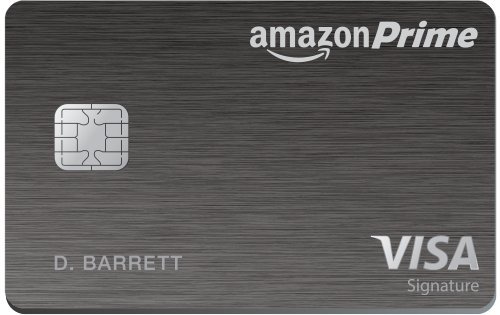

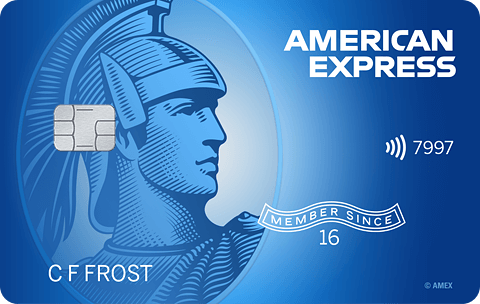
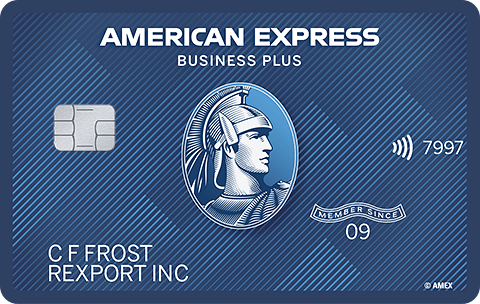


Total revolving limits 568220 (504020 reporting) FICO 8: EQ 689 TU 691 EX 682
Message 4 of 6

- Mark as New
- Bookmark
- Subscribe
- Mute
- Subscribe to RSS Feed
- Permalink
- Report Inappropriate Content
01-29-2025
03:32 PM
01-29-2025
03:32 PM
Re: Alien seeks advice
Adding an ITIN won't improve score nor does adding work history. So why bother!
In the era of hacking less info on file is better, imo, unless there is value add.
Fico 9: .......EQ 850 TU 850 EX 850
Fico 8: .......EQ 850 TU 850 EX 850
Fico 4 .....:. EQ 809 TU 823 EX 830 EX Fico 98: 842
Fico 8 BC:. EQ 892 TU 900 EX 900
Fico 8 AU:. EQ 887 TU 897 EX 899
Fico 4 BC:. EQ 826 TU 858, EX Fico 98 BC: 870
Fico 4 AU:. EQ 831 TU 872, EX Fico 98 AU: 861
VS 3.0:...... EQ 835 TU 835 EX 835
CBIS: ........EQ LN Auto 940 EQ LN Home 870 TU Auto 902 TU Home 950
Fico 8: .......EQ 850 TU 850 EX 850
Fico 4 .....:. EQ 809 TU 823 EX 830 EX Fico 98: 842
Fico 8 BC:. EQ 892 TU 900 EX 900
Fico 8 AU:. EQ 887 TU 897 EX 899
Fico 4 BC:. EQ 826 TU 858, EX Fico 98 BC: 870
Fico 4 AU:. EQ 831 TU 872, EX Fico 98 AU: 861
VS 3.0:...... EQ 835 TU 835 EX 835
CBIS: ........EQ LN Auto 940 EQ LN Home 870 TU Auto 902 TU Home 950
Message 5 of 6
- Mark as New
- Bookmark
- Subscribe
- Mute
- Subscribe to RSS Feed
- Permalink
- Report Inappropriate Content
01-30-2025
08:16 AM
01-30-2025
08:16 AM
Re: Alien seeks advice
Firstly I'd like to thank all of the kind people who took the time to share their knowledge with me and offer a welcome. It is much appreciated.
Maybe it's because I'm new to the forum, or I need a pair of glasses, but I couldn't find a button to just submit a general reply/it looked like I needed to quote somebody to say something further. So in the order that you each posted, other than my thanks, here are my specific replies to each of you:
GZG: That's very useful, because in perhaps a year or so when hopefully I'll qualify for my objective (Chase Sapphire Reserve) I can gear my spending to match what you said, in the lead up to the application. How many months would you recommend, prior to that application, that I ratchet down my utilization to only have the one card reporting close to a 1% balance?
JoeRockhead: I'll be sure to not to let a balance of 30% or greater on any card go unpaid prior to my statement dates. The Amex I have, unfortunately, is not a charge card. What would you say my chances are to be approved for a charge card with them, with a score of 765? Is my existing card at all relevant in the equation?
SouthJamaica: Duly noted, I'll be sure never to let a statement date fall with a balance on any card in excess of 29%, at least until I meet my objective. If and when I hopefully obtain my desired card, then I'll not be so concerned with my score unless I'm given a restrictively low limit. But if I understand correctly from what JoeRockhead said, in that scenario I could just keep spending up to the limit the first few months and hope to be given an automatic increase in due course.
Thomas_Thumb: I believe those are very wise words, and as somebody who generally guards their personal data I very much appreciate what you said. I've been affected, but fortunately in a minor way, by three corporate data breaches in the last ten years.
Message 6 of 6
† Advertiser Disclosure: The offers that appear on this site are from third party advertisers from whom FICO receives compensation.