- myFICO® Forums
- Types of Credit
- Credit Cards
- Comparing Rewards of the Top 8 Credit Card Issuers...
Options
- Subscribe to RSS Feed
- Mark Topic as New
- Mark Topic as Read
- Float this Topic for Current User
- Bookmark
- Subscribe
- Mute
- Printer Friendly Page
Turn on suggestions
Auto-suggest helps you quickly narrow down your search results by suggesting possible matches as you type.
Showing results for
Comparing Rewards of the Top 8 Credit Card Issuers (Pt. 1 Flat-Rate CB)


Is your credit card giving you the perks you want?
Browse credit cards from a variety of issuers to see if there's a better card for you.

- Mark as New
- Bookmark
- Subscribe
- Mute
- Subscribe to RSS Feed
- Permalink
- Report Inappropriate Content
02-16-2026
01:43 PM
02-16-2026
01:43 PM
Comparing Rewards of the Top 8 Credit Card Issuers (Pt. 1 Flat-Rate CB)
Here is a chart comparing cash back and rewards cards from the Biggest Credit Card Issuers:


Factors when choosing credit card issuer.
- Banking Relationship
- Eligibility
- Rewards & Perks
- Fees, Restrictions, Spending Caps
- Rewards Program and Transfer Partner
- Payment Network
- Credit Limits
- Customer Service
I'm going to start with rewards.
Flat-Rate Cash Back: 2% CB is the standard
2% CB was uncommon before 2014. Fidelity lauched a 2% CB card in 2003. It wasn't until 2013, when Capital One launched QuickSilver at 1.5% CB and 2014 when Citi launched Double Cash at 2%, that the other major credit cards followed suit. Today, many banks and credit unions offer 2% CB with some offering CB higher than 2%
It's great to have a catch-all flat rate cards for spending that earns only 1% on other cards.
1.5% Cash Back
| CB | Network | Bank | Card Name | FTF | Perks |
| 1.5% | Visa | Chase | Freedom Unlimited | 3% | 3% Dining & Pharmacy Sapphire Cardholders can transfer Points to Travel Partners |
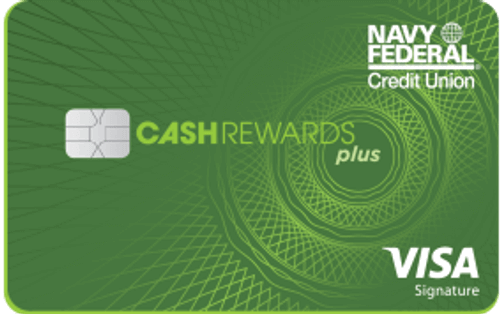
| 1.5% | MC / Visa | NavyFed | Cash Rewards | No FTF | Upgrades to Cash Rewards Plus at $5K CL |
| 1.5% | MC | CapitalOne | Quicksilver | No FTF | |
| 1.5% | Visa | Bank of America | Unlimited Cash | 3% | Increase to 2.625% with $100K Balance |
In the world of 2% CB cards, why would anyone get a 1.5% CB Card?
The short answer is you wouldn't, but there are some specific use.
Let's start with Capital One Quicksilver and NavyFed. They both don't have Foreign Transaction Fees. The other major credit card issuers charge FTF of 3%. So if you need a card to travel, these can come in handy. CapitalOne and NavyFed have lower requirements for eligibility. NavyFed will upgrade your card to CashRewards Plus 2% CB Card once you reach $5K CL.
Next is Bank of America Unlimited Cash. The base rate is 1.5%, but if you bank wth Bank of America and Merill Lynch, you can qualify for higher rewards:
| Tier | Balance | CB |
| $0K | 1.5% | |
| Gold | $20K | 1.875% |
| Platinum | $50K | 2.25% |
| Platinum Honors | $100K | 2.625% |
This is great because your investments, savings, and checking all count towards the requirement.
Last is Chase Freedom Unlimited. Why would you choose this 1.5% CB card?
1. Chase Freedom Unlimited gives 3%CB on Dining.
2. Chase Freedom Unlimited CB can be redeemed Ultimate Reward Points. If you are a Sapphire Preferred or Reserve card holder, you can transfer the 1.5x earned from Chase Freedom Unlimited with its hotel or airline partner, which makes that 1.5 points worh more than 1.5 cents. It has potential of being worht more than the 2% CB you would get from other cards.
2% CB Cards
| CB | Network | Bank | Card Name | FTF | Perks |
| 2% | Citi | MC | Double Cash | 3% | Citi accepts Debit Card for payment. Strate Premier/Elite Cardholders can transfer Points to Travel Partners |
| 2% | Navy Federal | Visa | Cash Rewards Plus | No FTF | |
| 2% | Wells Fargo | Visa | Active Cash | 3% | |
| 2% | US Bank | Visa | Smartly | 3% | Metal Card |
Let's start with the standard 2% CB Cards: Wells Fargo Active Cash and US Bank Smartly.
Wells Fargo heavily marketed this card when they first released it in 2021. US Bank Smartly was late to the game releasing Smartly in 2024.
US Bank Smartly got a lot of buzz for it's 4% CB. It faced backlash when the card got nerfed. But it's not a bad card. If you look at it, it's an average 2% CB card. The one perk if it matters is that it's a metal card (as of now), which is uncommon to see in a no-AF, non-cobranded card.
Between US Bank and Wells Fargo, it comes down to eligibility, banking relationship, and UI (app, website, redemption) preferences.
Next is Navy Fed. NavyFed offers no FTFs. As mentioned before, NavyFed has a higher risk-tolerance for credit card holders. The caveat is that NavyFed requires members to be military or associated with military. Not to worry, there are many regional banks and credit unions that offer cards with the exact same benefits (no FTF, 2% CB) as Navy Fed.
Last is citi Double Cash. There is one quirk, you earn 1% + 1%. 1% when you spend. 1% when you pay. It's essentially 2%. The unique perk with citi is citi accepts debit card for payments. If you have a debit card that gives 1% CB, you are earning an additional 1%. That 2% is now 3% Cashback. One con of citi is that Double Cash is a MasterCard, which means you can't use it at Costco.
2.25%+ CB Cards
US Bank
| CB | Credit Card | Requirements | FTF | Restrictions |
| 4% | US Bank Smartly | $100K | 3% | See below |
| 3% | US Bank Smartly | $50K | 3% | |
| 2.5% | US Bank Smartly | $10K | 3% | |
| 2% | US Bank Smartly | $0K | 3% |
Bank of America
| CB | Credit Card | Requirements | FTF |
| 2.625% | BofA Unlimited | $100K | 3% |
| 2.25% | BofA Unlimited | $50K | 3% |
| 1.875% | BofA Unlimited | $20K | 3% |
| 1.5% | BofA Unlimited | $0K | 3% |
Other Options
| CB | Credit Card | Requirements | FTF | Restrictions & Perks |
| 3% | Robinhood Gold | RG Subscription | No FTF | Metal Card Restricted Categories |
| 3% | Aven | No FTF | Metal Card First $10K at 3% | |
| 3% | AOD | No FTF | First $1.5K per cycle at 3% |
US Bank
At first glance, US Smartly looks like a great option at 4% CB. Unfortunately, they nerfed it. $100K Balance is required to be in checking account. Investment brokerage accounts don't count. Savings don't count. You loose money (up to thousands of dollars a year) that you would make in investments or interest parking your money in US Bank checking.
Some spending categories don't earn bonus (Not that you would wan't to meet the requirements to earn the bonus anyways). Education or tuition payments, gift cards, insurance, taxes, business-to-business transactions and third-party bill payment services will earn only 2% cash back.
That leaves Aven, Robinhood Gold, AOD, and BofA.
Bank of America Preferred Rewards have been around since 2014, so it's stood the test of time. It's also unlimited and does not have the spending restrictions Robinhood Gold does. All our great options, but if you have a banking relationship and your investment brokerage account with Merril Lynch, BofA cards are worth looking at. With recent nerfs (Alliant 2.5CB discontinung, US Bank Smartly nerf, AOD nerf), it may be worth having BofA Unlimited if you are Platinum Honors status. If not, Robinhood Gold, Aven, and AOD are great options if you are eligible. If not, 2% CB cards are dependable.
I will continue Comparing Rewards in another post.
Primary Cards (2024-Present):
Occasional-Use Cards (2024 - Present)





Closed Cards: $38K (09/2022) | Settlements Completed: $20K (03/2025)
Rebuilding Since July 2023 | Goal: FICO 740+
New Accounts: 1/6, 5/12, 7/24
FICO 8 7/23:
FICO 8 3/24:


FICO 8 3/25:


FICO 8 3/26:


FICO 8 7/26:


Occasional-Use Cards (2024 - Present)
Closed Cards: $38K (09/2022) | Settlements Completed: $20K (03/2025)
Rebuilding Since July 2023 | Goal: FICO 740+
New Accounts: 1/6, 5/12, 7/24
FICO 8 7/23:
FICO 8 3/24:
FICO 8 3/25:
FICO 8 3/26:
FICO 8 7/26:
Labels:
Message 1 of 30
29 REPLIES 29

- Mark as New
- Bookmark
- Subscribe
- Mute
- Subscribe to RSS Feed
- Permalink
- Report Inappropriate Content
02-16-2026
01:57 PM
02-16-2026
01:57 PM
Re: Comparing Rewards of the Top 8 Credit Card Issuers
Good start, there are so many factors in this, rewards, SUB's, spending caps, FTF's, AF's, asset boosters. All the one off issuances.
But that's just CC's, the real growth, money makers/rewards are in the cash back debit cards. They have come to dwarf my returns in CC's, overall. And they hardly have any bearing on the credit file/score game. It's the wild west and I think it's just started.
BofA: 
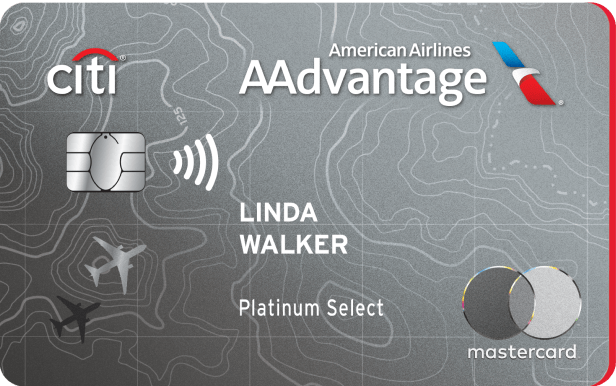
 Citi:
Citi: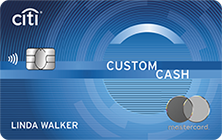
 US Bank:
 Chase:
 Aven:
Aven: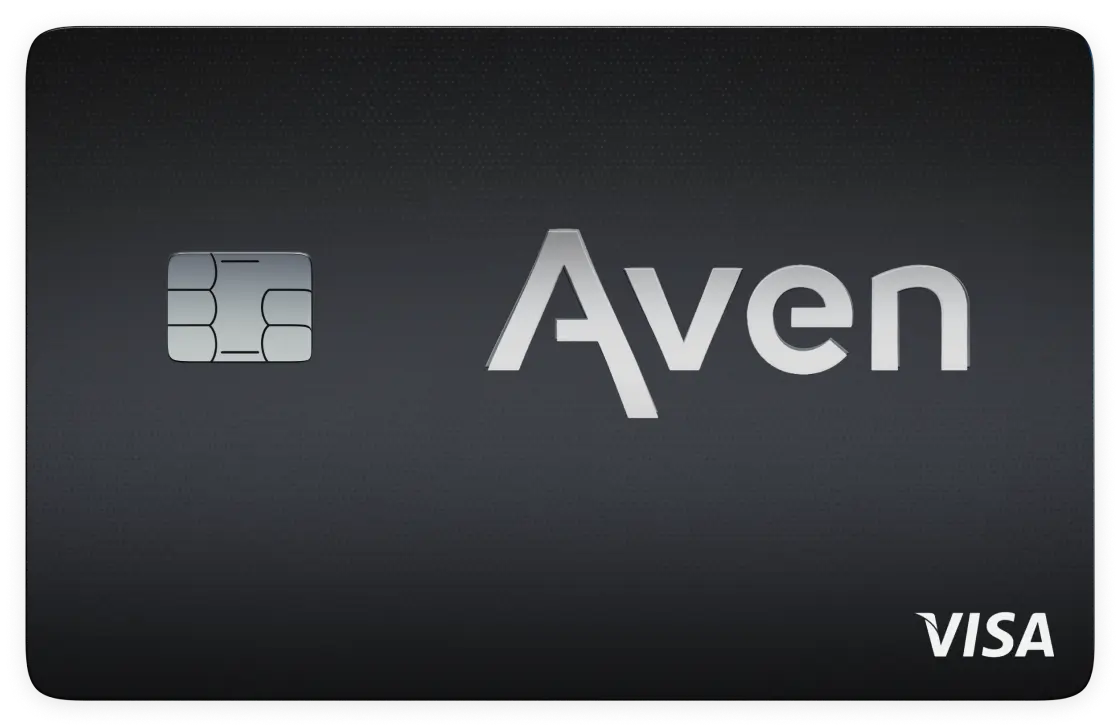 RH:
RH: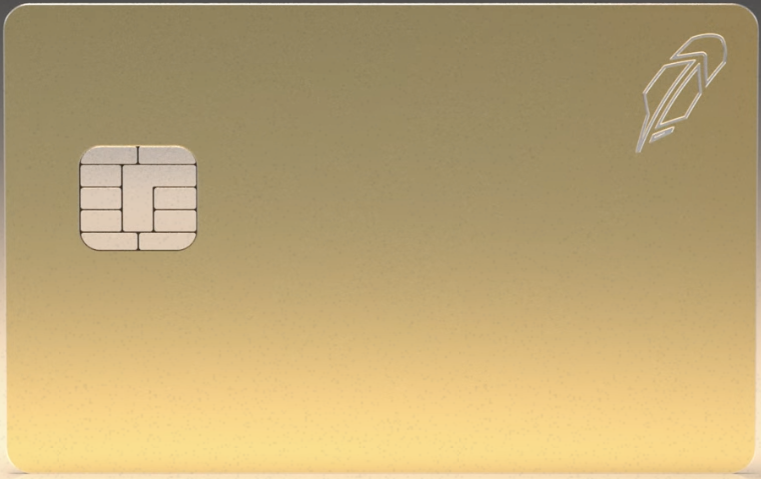
Citi:US Bank:Chase:Aven:RH:Spend: Less than 10k per year organic (frugal). MS varies, can be more significant.
(Sept of 26) Scorecard: Clean, Thick, Mature (Always PIF)
HP's: EQ 2/6, 2/12, 6/24 | TU 1/6, 3/12, 5/24 | EX 0/6, 2/12, 8/24
New Accounts: 3/6, 7/12, 10/24
Message 2 of 30
0
Kudos

- Mark as New
- Bookmark
- Subscribe
- Mute
- Subscribe to RSS Feed
- Permalink
- Report Inappropriate Content
02-16-2026
03:19 PM
02-16-2026
03:19 PM
Re: Comparing Rewards of the Top 8 Credit Card Issuers
Nice work! What's your main takeaway, beyond the parity?
Message 3 of 30
0
Kudos
- Mark as New
- Bookmark
- Subscribe
- Mute
- Subscribe to RSS Feed
- Permalink
- Report Inappropriate Content
02-16-2026
04:40 PM
02-16-2026
04:40 PM
Re: Comparing Rewards of the Top 8 Credit Card Issuers
@SusanJA wrote:Nice work! What's your main takeaway, beyond the parity?
Different Strokes for Different Folks. There's no one size fits all.
If you look at the history of the following 7:
- Chase
- American Express
- citi
- Capital One
- US Bank+
- Discover
- Bank of America
- Some Retail Cards (Costco, AAA, Save Your Way)
They all influenced rewards to make what it is today. They have the data to show what works and what doesn't. Fin Tech, New Companies, Smaller Banks and Credit Unions (whether through Elan Max or themselves) are now also offering better rewards.
Flat Rate Cashback: 1.5-2% became the standard floor after Capital One & Citi in 2013/2014
Let's start with flat-rate cash back. Discover was the first to offer CB (1%) in 1985. The first major instution to offer 2% was Fidelity with BofA and Amex in 2003. Others were 1%. Capital One offered 1% then the annual promo of adding additional .5% (or 50% of your annual rewards on your anniversary or something like that) so still 1.5%. Citi Cash returns at 1%. Capital One Quicksilver laucnhed 1.5% CB in 2013. It really was Citi Double Cash that really popularized 2% in 2014. Chase released Freedom Unlimited 1.5% in 2016. A lot of the 2% CB that we see now: Wells Fargo Active Cash, FNBO Evergreen etc. launched in 2021. Even lenders like Avant (Web Bank), Comenity (Bread Financial), and Synchrony offer 2% CB now.
Discover, citi, and Chase popularized the 5% Rotating Categories. Redstone recently nerfed their card, showing that rotating categories is more sustainable/profitable
Quartely Rotating 5% CB Categories
2000s - Discover Promos
2005 - Citi Dividends
2007 - Discover Quarterly 5% Categories
2007 - Chase Freedom (OG, was released in 2006, 5% categories were added in 2007)
2013 - Discover It (current)
American Express again leads the charge for rewards. It's able to because of higher merchant processing fees, annual fees, and being the issuer and lender. Really it was around 2011, where BofA, Amex started focusing on Gas and Dining. Wells Partnered with Amex to offer this with Propel 365 for $45 AF then $0AF in 2016. In 2017, Savor launched with 3% Dining and 2% Gas. Capital One really cost people's attention with 4% Dining and 3% Gas. People with $0AF are grandfathered in. People were willing to pay $95AF for it and it was a metal card. Today, Savor is only offered in $0AF (Plastic) with 3% Dining and Groceries. Today, even cards like Ollo by Merrick Bank and Mission Lane offer 3% Categories.
3% Dining, Gas, or Groceries or all three
2000-2011 Original Blue Cash 5%CB on Groceries, Gas AFTER $6,500 at 1%CB
2004 - Costco American Express 3% Gas, 2% Dining, 1% Everything Else
2006-2010 - Chase Freedom OG (3% on top 3 Spending Categories Capped) Later replaced with Rotating Category
2011 - Bank of America Ameircard Cash Rewards 3% Gas, 2% Dining
2011- Blue Cash Preferred (Hype for 6% CB Groceries with $75AF)
2011 - Blue Cash Everyday 3% Groceries, Gas (No AF)
2014 - Wells Fargo + Amex Propel 365 3X Gas, 2X Dining ($45AF)
2016 - Wells Fargo Propel 3X Gas, 2X Dining (No AF)
2017 - Savor 3% Dining, 2% Groceries (No AF)
2018 - Savor 4% Dining, 3% Groceries (Hype for 4% CB Groceries for $95AF /$0 AF depending on the card)
2018 - SavorOne (now Savor) 3% Dining, 3% Groceries ($0 AF) Current Offer
2020 - Chase Freedom adds 3% CB Dining Category
2022 - Wells Fargo Autograph 3X Dining, 3 Gas (replaces Propel)
American Express pioneered premium spending. Amex Green and Gold been around since the 1960s with Amex Platinum launching in 1984. I really believed that the Black Centurion Card in 1999 brought more awareness to Amex Platinum Cards. Amex collaborated with citi to offer citi Chairman. Which citi then created citi Prestige in 2011. Meanwhile Chase launched Sapphire Preferred in 2009. That was gaining traction. In 2016, the Chase Sapphire Reserve brought more attention and really showed how powerful transfer partners could be. I also believe that is the first US Visa Infinite card.
Premium Cards
- 1966 – Amex Gold
- 1969 – Amex Green
- 1984 – Amex Platinum ($250 AF)
- 2005-2013 – citi Chairman ($400 AF)
- 2011-2021 – citi Prestige ($450-495 AF)
- 2009-Present – Chase Sapphire Preferred ($95AF)
- 2016-Present – Chase Sapphire Reserve ($450-795 AF)
- 2021-Present – CapitalOne Venture X ($325AF)
- 2024-Present – Citi Strata Premier ($95 AF)
- 2025-Present – Citi Strata Elite ($550 AF)
Primary Cards (2024-Present):
Occasional-Use Cards (2024 - Present)
Closed Cards: $38K (09/2022) | Settlements Completed: $20K (03/2025)
Rebuilding Since July 2023 | Goal: FICO 740+
New Accounts: 1/6, 5/12, 7/24
FICO 8 7/23:
FICO 8 3/24:
FICO 8 3/25:
FICO 8 3/26:
FICO 8 7/26:
Occasional-Use Cards (2024 - Present)
Closed Cards: $38K (09/2022) | Settlements Completed: $20K (03/2025)
Rebuilding Since July 2023 | Goal: FICO 740+
New Accounts: 1/6, 5/12, 7/24
FICO 8 7/23:
FICO 8 3/24:
FICO 8 3/25:
FICO 8 3/26:
FICO 8 7/26:
Message 4 of 30
0
Kudos

- Mark as New
- Bookmark
- Subscribe
- Mute
- Subscribe to RSS Feed
- Permalink
- Report Inappropriate Content
02-16-2026
05:57 PM
02-16-2026
05:57 PM
Re: Comparing Rewards of the Top 8 Credit Card Issuers
Thanks E36!
Let's not forget that when Discover (actually branded as all CAPS  (but I try to keep my 'yelling' at a minimum, lol)) didn't start at a full 1%! Without looking it up, IIRC, it was 0.25% for your first $1000 annual spend, then 0.50% for you next, etc., then you got the full 1% after you spent $3000 in a year. Something like that. We've come a long way!!!
Everyday 5% CB:
Chase prime Visa // citi CUSTOM CASH “A” // citi CUSTOM CASH “B” // citi CUSTOM CASH “C” // citi ThankYou (5% gas, lucrative spending offers) // mylowe’s Rewards // Target circle card
Rotating 5% CB:
Chase “OG” freedom Visa // DISCOVER it Cash Back // nusenda CU Platinum Cash Rewards
Everyday 4% CB:
US Bank Smartly (v1.0)
Everyday 3% / 2.2% CB:
AOD FCU Visa Signature (3%, sockdrawered) // upgrade Cash Rewards Elite (2.2%, sockdrawered)
Welcome Offer / credits only:
NFCU FLAGSHIP REWARDS (elevated Welcome Offer, annual prime credit, sockdrawered)
Hotel card:
Chase IHG ONE REWARDS PREMIER (elevated Welcome Offer, 1 free night/yr)
On my radar:
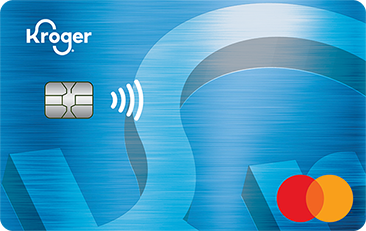
Langely FCU Signature Cash Back (5% CB monthly selectable cat) // Safe CU Cash Back+ (Quarterly rotating 5% CB cats plus bonus cats) // upgrade MyFive Cash Rewards (5% CB monthly selectable cat) // US Bank Kroger (and family) World Elite Master Card(s) (5% CB Mobile Wallet)
Chase prime Visa // citi CUSTOM CASH “A” // citi CUSTOM CASH “B” // citi CUSTOM CASH “C” // citi ThankYou (5% gas, lucrative spending offers) // mylowe’s Rewards // Target circle card
Rotating 5% CB:
Chase “OG” freedom Visa // DISCOVER it Cash Back // nusenda CU Platinum Cash Rewards
Everyday 4% CB:
US Bank Smartly (v1.0)
Everyday 3% / 2.2% CB:
AOD FCU Visa Signature (3%, sockdrawered) // upgrade Cash Rewards Elite (2.2%, sockdrawered)
Welcome Offer / credits only:
NFCU FLAGSHIP REWARDS (elevated Welcome Offer, annual prime credit, sockdrawered)
Hotel card:
Chase IHG ONE REWARDS PREMIER (elevated Welcome Offer, 1 free night/yr)
On my radar:
Langely FCU Signature Cash Back (5% CB monthly selectable cat) // Safe CU Cash Back+ (Quarterly rotating 5% CB cats plus bonus cats) // upgrade MyFive Cash Rewards (5% CB monthly selectable cat) // US Bank Kroger (and family) World Elite Master Card(s) (5% CB Mobile Wallet)
Message 5 of 30
0
Kudos
- Mark as New
- Bookmark
- Subscribe
- Mute
- Subscribe to RSS Feed
- Permalink
- Report Inappropriate Content
02-16-2026
06:19 PM
02-16-2026
06:19 PM
Re: Comparing Rewards of the Top 8 Credit Card Issuers
@ptatohed wrote:Thanks E36!
Let's not forget that when Discover (actually branded as all CAPS
Thanks! I'm learning. And Discover 1985 is before my time. lol.
Primary Cards (2024-Present):
Occasional-Use Cards (2024 - Present)
Closed Cards: $38K (09/2022) | Settlements Completed: $20K (03/2025)
Rebuilding Since July 2023 | Goal: FICO 740+
New Accounts: 1/6, 5/12, 7/24
FICO 8 7/23:
FICO 8 3/24:
FICO 8 3/25:
FICO 8 3/26:
FICO 8 7/26:
Occasional-Use Cards (2024 - Present)
Closed Cards: $38K (09/2022) | Settlements Completed: $20K (03/2025)
Rebuilding Since July 2023 | Goal: FICO 740+
New Accounts: 1/6, 5/12, 7/24
FICO 8 7/23:
FICO 8 3/24:
FICO 8 3/25:
FICO 8 3/26:
FICO 8 7/26:
Message 6 of 30
0
Kudos

- Mark as New
- Bookmark
- Subscribe
- Mute
- Subscribe to RSS Feed
- Permalink
- Report Inappropriate Content
02-16-2026
07:35 PM
02-16-2026
07:35 PM
Re: Comparing Rewards of the Top 8 Credit Card Issuers
My main takeaway from this chart is US Bank really has some ugly card designs. 




Message 7 of 30
0
Kudos
- Mark as New
- Bookmark
- Subscribe
- Mute
- Subscribe to RSS Feed
- Permalink
- Report Inappropriate Content
02-16-2026
08:31 PM
02-16-2026
08:31 PM
Re: Comparing Rewards of the Top 8 Credit Card Issuers
@DeeBee78 wrote:My main takeaway from this chart is US Bank really has some ugly card designs.
ngl, I would get a US Smartly 2% CB just for the Metal Card and design. It's a metal card (for now) for $0AF. I'm a sucker for metal cards.
Primary Cards (2024-Present):
Occasional-Use Cards (2024 - Present)
Closed Cards: $38K (09/2022) | Settlements Completed: $20K (03/2025)
Rebuilding Since July 2023 | Goal: FICO 740+
New Accounts: 1/6, 5/12, 7/24
FICO 8 7/23:
FICO 8 3/24:
FICO 8 3/25:
FICO 8 3/26:
FICO 8 7/26:
Occasional-Use Cards (2024 - Present)
Closed Cards: $38K (09/2022) | Settlements Completed: $20K (03/2025)
Rebuilding Since July 2023 | Goal: FICO 740+
New Accounts: 1/6, 5/12, 7/24
FICO 8 7/23:
FICO 8 3/24:
FICO 8 3/25:
FICO 8 3/26:
FICO 8 7/26:
Message 8 of 30
0
Kudos

- Mark as New
- Bookmark
- Subscribe
- Mute
- Subscribe to RSS Feed
- Permalink
- Report Inappropriate Content
02-17-2026
09:16 AM
02-17-2026
09:16 AM
Re: Comparing Rewards of the Top 8 Credit Card Issuers
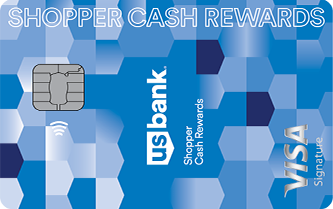
The usb shoppers is metal and, it lights up!
the aven 3% card is metal.
Message 9 of 30

- Mark as New
- Bookmark
- Subscribe
- Mute
- Subscribe to RSS Feed
- Permalink
- Report Inappropriate Content
02-17-2026
10:51 AM
02-17-2026
10:51 AM
Re: Comparing Rewards of the Top 8 Credit Card Issuers
This is really nice, thanks, wondering why Amex Green made Premium and Gold is nowhere to be found on chart? Subjective but I always thought Gold was more "premium" than Green.....

Message 10 of 30
0
Kudos
† Advertiser Disclosure: The offers that appear on this site are from third party advertisers from whom FICO receives compensation.