- myFICO® Forums
- FICO Scoring and Other Credit Topics
- Understanding FICO® Scoring
- Advise Me as I Venture into the Garden
Options
- Subscribe to RSS Feed
- Mark Topic as New
- Mark Topic as Read
- Float this Topic for Current User
- Bookmark
- Subscribe
- Mute
- Printer Friendly Page
Turn on suggestions
Auto-suggest helps you quickly narrow down your search results by suggesting possible matches as you type.
Showing results for
Advise Me as I Venture into the Garden


Is your credit card giving you the perks you want?
Browse credit cards from a variety of issuers to see if there's a better card for you.

Anonymous
Not applicable
- Mark as New
- Bookmark
- Subscribe
- Mute
- Subscribe to RSS Feed
- Permalink
- Report Inappropriate Content
09-25-2016
08:12 AM
09-25-2016
08:12 AM
Advise Me as I Venture into the Garden
Current score via Credit Karma is 677 Trans and Equi, up from a low of 570 after I filed bankruptcy two years ago.
I just went and cancelled some cards I don't need (expecting a bit of a drop). 30 hard pulls in the last 12 months. I already cleaned up my report of all errors.
My current cards: Capital One Quicksilver ($6,000 limit), CapitalOne Venture ($5,500), Barclaycard Rewards ($1,500), Walmart Store Card ($1,600), Amazon Prime Store Card ($1,600), CareCredit ($3,500), and local credit union ($1,000).
I make about $40,000 a year pre-tax, am single, and have no kids. The way I live my life I can afford to pay everything in cash if I want to go Dave Ramsey, or I can charge it all to my card and pay it off in full every month.
My big goal is to buy a house in the next 3 years, so I want to optimize by credit history as much as I can. My only debt is about $4,000 in student loans and a $2,500 car loan.
Rewards points and cash back are nice, but I will sacrifice those if it means getting a better mortgage rate in the next few years.
My bottom-line question is whether it's better to keep low balances and pay that off every month or charge a huge balance to them every month and pay that off in full?
I've heard conflicting advice about this subject. Some say to go hog-wild to show lenders that you can handle debt. Others say doing this is erratic and risky.
Labels:
Message 1 of 8
0
Kudos
7 REPLIES 7
Anonymous
Not applicable
- Mark as New
- Bookmark
- Subscribe
- Mute
- Subscribe to RSS Feed
- Permalink
- Report Inappropriate Content
09-25-2016
08:18 AM
09-25-2016
08:18 AM
Re: Advise Me as I Venture into the Garden
CapitalOne VentureOne actually (I hate annual fees).
Message 2 of 8
0
Kudos
Anonymous
Not applicable
- Mark as New
- Bookmark
- Subscribe
- Mute
- Subscribe to RSS Feed
- Permalink
- Report Inappropriate Content
09-25-2016
08:25 AM
09-25-2016
08:25 AM
Re: Advise Me as I Venture into the Garden
For your score, it doesn't matter what you do as long as the reported balances to the bureaus are small. However, your bank will know whether you're running spend through the card at all, i.e., are you a profitable customer. Having good spend on the card is essential to things like CLIs in the future and things like that (some are more generous than others obv). You want the bank to see that you can handle debt. But for FiCO scoring, it's just whatever gets reported at statement cut to the bureaus that counts. General rule...just use the cards normally as you need them in the proper categories to maximize rewards. Pay them off before the statement cuts but choose ONE card to leave a small 5% utilization balance on and let that one report. On time payments with low util will get you very far; the actual balances you run up don't matter much at all in the long run
Message 3 of 8
0
Kudos

- Mark as New
- Bookmark
- Subscribe
- Mute
- Subscribe to RSS Feed
- Permalink
- Report Inappropriate Content
09-28-2016
01:32 PM
09-28-2016
01:32 PM
Re: Advise Me as I Venture into the Garden
It looks like you are doing real good. I am not a big fan of charging a lot each month and then PIF. I like to see some use consistantly throughout the year.
As far as credit limits I would think about what CL you think you will need once you buy your house. Which cards will you need a large limit? I think in terms of appliances, new flooring, and landscaping.
You have a nice mix of cards and some loan history. I would do the old trick of only carrying a balance on one card and have that balance under 9%. Give your other cards some work but PIF each month. Let your scores rise a bit and then call CS(Credit Solutions @ 877-379-8173) for your Walmart and Amazon cards. You should be able to get $6000 on each.

Message 4 of 8
0
Kudos

- Mark as New
- Bookmark
- Subscribe
- Mute
- Subscribe to RSS Feed
- Permalink
- Report Inappropriate Content
09-28-2016
06:46 PM
09-28-2016
06:46 PM
Re: Advise Me as I Venture into the Garden
@Anonymous wrote:Current score via Credit Karma is 677 Trans and Equi, up from a low of 570 after I filed bankruptcy two years ago.
I just went and cancelled some cards I don't need (expecting a bit of a drop). 30 hard pulls in the last 12 months. I already cleaned up my report of all errors.
My current cards: Capital One Quicksilver ($6,000 limit), CapitalOne Venture ($5,500), Barclaycard Rewards ($1,500), Walmart Store Card ($1,600), Amazon Prime Store Card ($1,600), CareCredit ($3,500), and local credit union ($1,000).
I make about $40,000 a year pre-tax, am single, and have no kids. The way I live my life I can afford to pay everything in cash if I want to go Dave Ramsey, or I can charge it all to my card and pay it off in full every month.
My big goal is to buy a house in the next 3 years, so I want to optimize by credit history as much as I can. My only debt is about $4,000 in student loans and a $2,500 car loan.
Rewards points and cash back are nice, but I will sacrifice those if it means getting a better mortgage rate in the next few years.
My bottom-line question is whether it's better to keep low balances and pay that off every month or charge a huge balance to them every month and pay that off in full?
I've heard conflicting advice about this subject. Some say to go hog-wild to show lenders that you can handle debt. Others say doing this is erratic and risky.
Strategy to be in optimal position for mortgage:
1. No more credit cards needed.
2. Maintain student loan & car loan so total installment balances are 9% or less of face loan amounts, but don't pay either down to zero unless you have to.
3. Have all but one of the credit cards report at zero, with the other one reporting at less than 10% of limit.














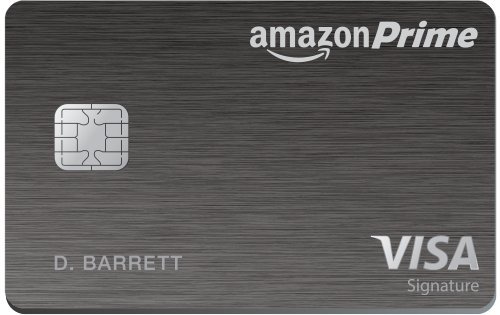



Total revolving limits 568220 (504020 reporting) FICO 8: EQ 689 TU 691 EX 682
Message 5 of 8
0
Kudos

- Mark as New
- Bookmark
- Subscribe
- Mute
- Subscribe to RSS Feed
- Permalink
- Report Inappropriate Content
09-29-2016
06:53 AM
09-29-2016
06:53 AM
Re: Advise Me as I Venture into the Garden
@Anonymous wrote:Current score via Credit Karma is 677 Trans and Equi, up from a low of 570 after I filed bankruptcy two years ago.
I just went and cancelled some cards I don't need (expecting a bit of a drop). 30 hard pulls in the last 12 months. I already cleaned up my report of all errors.
My current cards: Capital One Quicksilver ($6,000 limit), CapitalOne Venture ($5,500), Barclaycard Rewards ($1,500), Walmart Store Card ($1,600), Amazon Prime Store Card ($1,600), CareCredit ($3,500), and local credit union ($1,000).
I make about $40,000 a year pre-tax, am single, and have no kids. The way I live my life I can afford to pay everything in cash if I want to go Dave Ramsey, or I can charge it all to my card and pay it off in full every month.
My big goal is to buy a house in the next 3 years, so I want to optimize by credit history as much as I can. My only debt is about $4,000 in student loans and a $2,500 car loan.
Rewards points and cash back are nice, but I will sacrifice those if it means getting a better mortgage rate in the next few years.
My bottom-line question is whether it's better to keep low balances and pay that off every month or charge a huge balance to them every month and pay that off in full?
I've heard conflicting advice about this subject. Some say to go hog-wild to show lenders that you can handle debt. Others say doing this is erratic and risky.
Given your goal to buy a house is likely 2 to 3 years out, here is what I would suggest:
1) Inquiries for new credit are hurting your score. Do not pursue any new credit and let existing inquiries "age off". After 12 months they will stop impacting score.
2) No worries on what you charge on credit cards at this time. Use as many as you want and allow balances to report. Just make sure you have no late payments and try to pay statement balances in full. On cards where the creditor does not do hard inquiries for credit limit increases, you may want to request CLIs. [Note: Revolving credit utilization is a point in time calculation for scoring - prior history is not considered. Thus, no need complicate payment strategy until you start mortgage shopping].
When you are within 3 months of mortgage shopping, limit # cards reporting a balance to one only. The key points are: Maintain aggregate utilization (all cards combined) under 9% and the card that reports a balance under 30%.
3) It is best to pay card balances in full every month as opposed to carrying a balance. Also, if you want to avoid risk of a creditor closing a card due to inactivity, use cards at least once every 6 months and more preferrably once every 3 months. If you want to increase card credit limits on lower limit cards, there may be some advantage to charging a "significant amount" on the card and then PIF. What is a significant amount? - not sure but, I'd say 25% to 50% of CL is rather significant.
4) The key issue is your bankruptcy. I do suspect impact on score will taper in the 4 to 5 year timeframe. The critical thing is to show 100% reliable payment history on all accounts between now and mortgage application time.
5) It looks like your car loan will be paid off in less than 2 years. Having an open installment loan can help your EX Fico score 2 mortgage score - if the balance to loan ratio is low. Not sure about your pay off schedule on your student loan but, keeping it open with a low balance could be beneficial ... if no late payments are involved. [side note - your EQ and TU Fico mortgage scores do not require an open loan for optimization]
6) The biggest factor in home loans is debt to income ratio. Amount of downpayment can be quite important as well particularly for those considered a higher risk.
Fico 9: .......EQ 850 TU 850 EX 850
Fico 8: .......EQ 850 TU 850 EX 850
Fico 4 .....:. EQ 809 TU 823 EX 830 EX Fico 98: 842
Fico 8 BC:. EQ 892 TU 900 EX 900
Fico 8 AU:. EQ 887 TU 897 EX 899
Fico 4 BC:. EQ 826 TU 858, EX Fico 98 BC: 870
Fico 4 AU:. EQ 831 TU 872, EX Fico 98 AU: 861
VS 3.0:...... EQ 835 TU 835 EX 835
CBIS: ........EQ LN Auto 940 EQ LN Home 870 TU Auto 902 TU Home 950
Fico 8: .......EQ 850 TU 850 EX 850
Fico 4 .....:. EQ 809 TU 823 EX 830 EX Fico 98: 842
Fico 8 BC:. EQ 892 TU 900 EX 900
Fico 8 AU:. EQ 887 TU 897 EX 899
Fico 4 BC:. EQ 826 TU 858, EX Fico 98 BC: 870
Fico 4 AU:. EQ 831 TU 872, EX Fico 98 AU: 861
VS 3.0:...... EQ 835 TU 835 EX 835
CBIS: ........EQ LN Auto 940 EQ LN Home 870 TU Auto 902 TU Home 950
Message 6 of 8
Anonymous
Not applicable
- Mark as New
- Bookmark
- Subscribe
- Mute
- Subscribe to RSS Feed
- Permalink
- Report Inappropriate Content
09-30-2016
04:32 AM
09-30-2016
04:32 AM
Re: Advise Me as I Venture into the Garden
Good posts above. One other thing I might add is that going forward (certainly 3 years from now) mortgage companies will be looking back at I believe the last 24 months on your revolvers to see where you fall on the Transactor vs Revolver scale. If you PIF every month on your revolvers and keep next to no balances, you are a Transactor which is what they like to see as opposed to someone that's carrying balances. It's great to get on this page a few months before applying for a mortgage, but my understanding is that they'll be looking at the past 2 years of history to really see the big picture. Something to take into consideration.
Message 7 of 8
0
Kudos
Anonymous
Not applicable
- Mark as New
- Bookmark
- Subscribe
- Mute
- Subscribe to RSS Feed
- Permalink
- Report Inappropriate Content
09-30-2016
04:33 AM
09-30-2016
04:33 AM
Re: Advise Me as I Venture into the Garden
@Grafton88 wrote:I am not a big fan of charging a lot each month and then PIF.
Why? I'm not understanding how this could be viewed as a bad thing.
Message 8 of 8
0
Kudos
† Advertiser Disclosure: The offers that appear on this site are from third party advertisers from whom FICO receives compensation.