- myFICO® Forums
- Types of Credit
- Credit Cards
- Cap 1 quicksilver vs Amex cash magnet
Options
- Subscribe to RSS Feed
- Mark Topic as New
- Mark Topic as Read
- Float this Topic for Current User
- Bookmark
- Subscribe
- Mute
- Printer Friendly Page
Turn on suggestions
Auto-suggest helps you quickly narrow down your search results by suggesting possible matches as you type.
Showing results for
Cap 1 quicksilver vs Amex cash magnet


Is your credit card giving you the perks you want?
Browse credit cards from a variety of issuers to see if there's a better card for you.
- « Previous
-
- 1
- 2
- Next »

- Mark as New
- Bookmark
- Subscribe
- Mute
- Subscribe to RSS Feed
- Permalink
- Report Inappropriate Content
01-29-2022
02:06 PM
01-29-2022
02:06 PM
Re: Cap 1 quicksilver vs Amex cash magnet
@rgd51 wrote:The fact I have the chase freedom unlimited makes me think getting either of these 2 cards is pointless?
Yes. Unless you are going solely for sign up bonus and/or 0% purchase/balance transfer, I cannot see why you would want another 1.5% cash back card.
Message 11 of 19

- Mark as New
- Bookmark
- Subscribe
- Mute
- Subscribe to RSS Feed
- Permalink
- Report Inappropriate Content
01-29-2022
02:21 PM
01-29-2022
02:21 PM
Re: Cap 1 quicksilver vs Amex cash magnet
@BearsCubsOtters wrote:
@rgd51 wrote:The fact I have the chase freedom unlimited makes me think getting either of these 2 cards is pointless?
Yes. Unless you are going solely for sign up bonus and/or 0% purchase/balance transfer, I cannot see why you would want another 1.5% cash back card.
That is a good point! I don't see anything wrong with a statement credit since it reduces your bill be 1.5% it's the same effect as if you were given 1.5% as a deposit to a bank account unless I'm missing something?
Message 12 of 19
0
Kudos

- Mark as New
- Bookmark
- Subscribe
- Mute
- Subscribe to RSS Feed
- Permalink
- Report Inappropriate Content
01-29-2022
02:29 PM
01-29-2022
02:29 PM
Re: Cap 1 quicksilver vs Amex cash magnet
@BearsCubsOtters wrote:
@rgd51 wrote:The fact I have the chase freedom unlimited makes me think getting either of these 2 cards is pointless?
Yes. Unless you are going solely for sign up bonus and/or 0% purchase/balance transfer, I cannot see why you would want another 1.5% cash back card.
The Chase Freedom Unlimited is superior in that you can earn more than 1.5% in certain categories (dining; drug stores; travel booked through Chase) and also that the "cash back" earned can be converted to Ultimate Rewards points with a Sapphire Reserve/Preferred to further enhance value for travel redemptions.
Another reason to apply to AMEX or Capital One would be for lender diversity with another of the largest eight card issuers in the US, as both are on that list. I am a big believer in lender diversity.
Absent the allure of any of that, a flat rate 2% or higher card might be more useful for the long-haul.


Business Cards






Length of Credit > 42 years; Total Credit Limits > $957.6K
Top Lender TCL - Chase 165.9 - BofA 99.9 - CITI 98.5 - AMEX 95.1 - NFCU 80.0 - SYCH - 65.0
AoOA > 32 years (Jun 1993); AoYA (Oct 2024)
* Hover cursor over cards to see name & CL, or press & hold on mobile app.
Message 13 of 19
0
Kudos
- Mark as New
- Bookmark
- Subscribe
- Mute
- Subscribe to RSS Feed
- Permalink
- Report Inappropriate Content
01-29-2022
02:35 PM
01-29-2022
02:35 PM
Re: Cap 1 quicksilver vs Amex cash magnet
@rgd51 wrote:I don't see anything wrong with a statement credit since it reduces your bill be 1.5% it's the same effect as if you were given 1.5% as a deposit to a bank account unless I'm missing something?
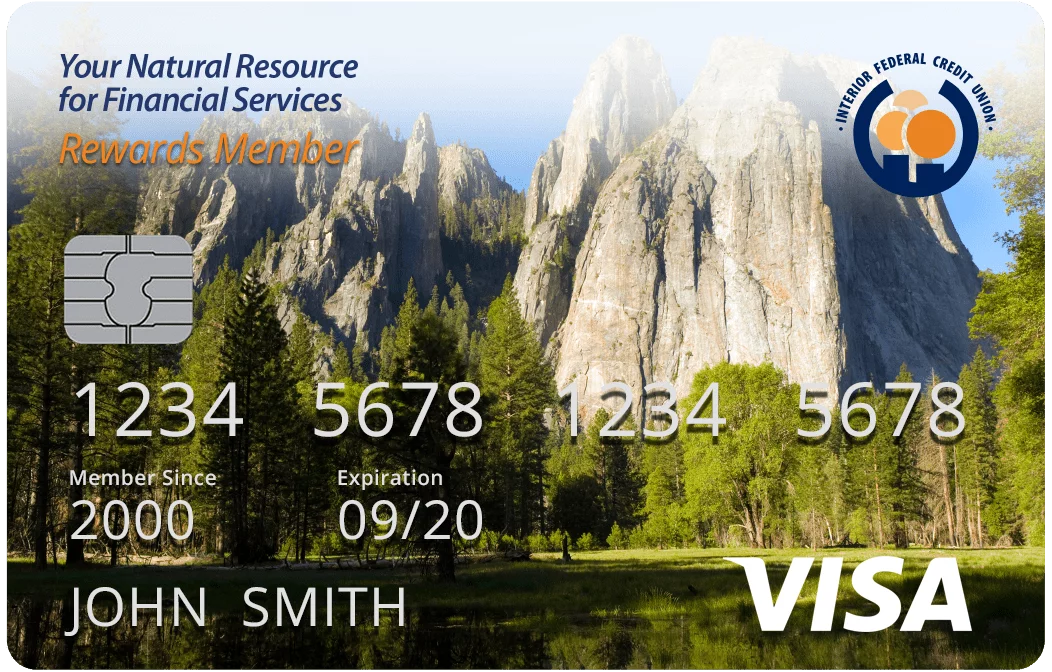
That's correct, @rgd51. Some of our members are very particular in how they get their rewards. Some want the ability to deposit rewards, perhaps into a separate "savings" account for a goal such as a vacation. They really dislike any cards that only pay in statement credit or that auto-credit your account, such as how the AOD FCU Visa credits all rewards earned every month. But yes, it is essentially the same thing to get the 1.5% as a statement credit. For someone who likes to keep it all separate, it would mean having to move an equivalent amount from regular banking to that savings account to reflect the rewards, and they see that as a hassle.
Business Cards
Length of Credit > 42 years; Total Credit Limits > $957.6K
Top Lender TCL - Chase 165.9 - BofA 99.9 - CITI 98.5 - AMEX 95.1 - NFCU 80.0 - SYCH - 65.0
AoOA > 32 years (Jun 1993); AoYA (Oct 2024)
* Hover cursor over cards to see name & CL, or press & hold on mobile app.
Message 14 of 19
0
Kudos

Anonymous
Not applicable
- Mark as New
- Bookmark
- Subscribe
- Mute
- Subscribe to RSS Feed
- Permalink
- Report Inappropriate Content
01-29-2022
02:38 PM
01-29-2022
02:38 PM
Re: Cap 1 quicksilver vs Amex cash magnet
@Aim_High wrote:
@BearsCubsOtters wrote:
@rgd51 wrote:The fact I have the chase freedom unlimited makes me think getting either of these 2 cards is pointless?
Yes. Unless you are going solely for sign up bonus and/or 0% purchase/balance transfer, I cannot see why you would want another 1.5% cash back card.
The Chase Freedom Unlimited is superior in that you can earn more than 1.5% in certain categories (dining; drug stores; travel booked through Chase) and also that the "cash back" earned can be converted to Ultimate Rewards points with a Sapphire Reserve/Preferred to further enhance value for travel redemptions.
Another reason to apply to AMEX or Capital One would be for lender diversity with another of the largest eight card issuers in the US, as both are on that list. I am a big believer in lender diversity.
Absent the allure of any of that, a flat rate 2% or higher card might be more useful for the long-haul.
If you have foreign transactions, the Chase Freedom Unlimited isn't a good choice, Quicksilver would be.
Top of my mind at present since I was just charged my first FTF. I accidently used USAlliance, 3% with 1% FTF rather than the card I meant to use, Citizens, 1.8% with no FTF. So I am actually ahead, I just hate "rewarding" banks with a FTF, in this case a jawdropping 59 cents.
Message 15 of 19
0
Kudos
- Mark as New
- Bookmark
- Subscribe
- Mute
- Subscribe to RSS Feed
- Permalink
- Report Inappropriate Content
01-29-2022
03:01 PM
01-29-2022
03:01 PM
Re: Cap 1 quicksilver vs Amex cash magnet
@Anonymous wrote:If you have foreign transactions, the Chase Freedom Unlimited isn't a good choice, Quicksilver would be.
That's true. But for those who regularly process foreign transactions, there are some great options that beat the Quicksilver with no FTF. Here are just a few off the top of my head with NO FTF and higher rewards.
- AOD FCU Visa Signature (3%)
- Navy FCU Flagship Rewards (2%/3%)
- Bank of America Premium Rewards (2.625% with Preferred Rewards Platinum Honors)
- Alliant CU Visa Signature (2.5% with account stipulations)
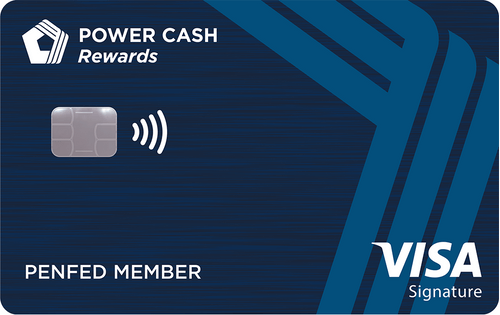
- PenFed Power Cash Rewards (2%)
- State Department FCU Premium Cash Back + (2%)
- Navy FCU Cash Rewards (1.75% with direct deposit)
That's not to mention that a premium Visa Infinite card like the US Bank Altitude Reserve or Chase Sapphire Reserve could be used with no FTF while still accruing valuable points. The Sapphire Reserve's 1x UR point per dollar would be worth only 1% in cash back but 1.5% to 2% when used for travel, which compares to the value of the Quicksilver if not beating it as long as you're not committed to pure cash back. I thought you said that you have the Altitude Reserve, @Anonymous? Would have saved you that 59 cents! Lol 
Business Cards
Length of Credit > 42 years; Total Credit Limits > $957.6K
Top Lender TCL - Chase 165.9 - BofA 99.9 - CITI 98.5 - AMEX 95.1 - NFCU 80.0 - SYCH - 65.0
AoOA > 32 years (Jun 1993); AoYA (Oct 2024)
* Hover cursor over cards to see name & CL, or press & hold on mobile app.
Message 16 of 19
0
Kudos
Anonymous
Not applicable
- Mark as New
- Bookmark
- Subscribe
- Mute
- Subscribe to RSS Feed
- Permalink
- Report Inappropriate Content
01-29-2022
04:19 PM
01-29-2022
04:19 PM
Re: Cap 1 quicksilver vs Amex cash magnet
@Aim_High wrote:
@Anonymous wrote:If you have foreign transactions, the Chase Freedom Unlimited isn't a good choice, Quicksilver would be.
That's true. But for those who regularly process foreign transactions, there are some great options that beat the Quicksilver with no FTF. Here are just a few off the top of my head with NO FTF and higher rewards.
- AOD FCU Visa Signature (3%)
- Navy FCU Flagship Rewards (2%/3%)
- Bank of America Premium Rewards (2.625% with Preferred Rewards Platinum Honors)
- Alliant CU Visa Signature (2.5% with account stipulations)
- PenFed Power Cash Rewards (2%)
- State Department FCU Premium Cash Back + (2%)
- Navy FCU Cash Rewards (1.75% with direct deposit)
That's not to mention that a premium Visa Infinite card like the US Bank Altitude Reserve or Chase Sapphire Reserve could be used with no FTF while still accruing valuable points. The Sapphire Reserve's 1x UR point per dollar would be worth only 1% in cash back but 1.5% to 2% when used for travel, which compares to the value of the Quicksilver if not beating it as long as you're not committed to pure cash back. I thought you said that you have the Altitude Reserve, @Anonymous? Would have saved you that 59 cents! Lol
Right, I was just pointing out one way in which the CFU IS inferior to the Quicksilver. Re the Altitude Reserve, that would have got me 1.5% for travel, less than the planned 1.8% from Citizens, or the actual 2% from USAlliance. Never got around to getting the AOD, which would have been the best choice, but we all know that it will stop really soon now, as has always been the case since 2020!
Message 17 of 19
0
Kudos

- Mark as New
- Bookmark
- Subscribe
- Mute
- Subscribe to RSS Feed
- Permalink
- Report Inappropriate Content
01-29-2022
04:26 PM
01-29-2022
04:26 PM
Re: Cap 1 quicksilver vs Amex cash magnet
@Aim_High wrote:For someone who likes to keep it all separate, it would mean having to move an equivalent amount from regular banking to that savings account to reflect the rewards, and they see that as a hassle.
This is exactly what I do with all my cash back cards. I'm able to put labels on transactions between accounts to so I can use those to keep track of cash back rewards by card or offer.
As for QS vs CM, while im a pretty big fan of the Amex MR points ecosystem, I think the cash magnet is a pretty meh product. I like the QS for no foreign fees and no minimum redemptions, so it's handy for one off foreign internet purchases or miscellaneous cash back while traveling, without having to worry about topping it off to redeem rewards. Otherwise I get better earn rates on domestic purchases with other cards.















Message 18 of 19

- Mark as New
- Bookmark
- Subscribe
- Mute
- Subscribe to RSS Feed
- Permalink
- Report Inappropriate Content
01-30-2022
05:51 AM
01-30-2022
05:51 AM
Re: Cap 1 quicksilver vs Amex cash magnet
@rgd51 wrote:I got pre approval SUB offers for $250 on both cards. I have had a QS before in the past so I know how that card works. Can anyone tell me in what ways the CM is better and worse than the QS? I will list below what I know of each card so let me know if I am missing something.
QS:
Don't have to wait until statement post to redeem rewards.
No redemption minimum.
No foreign transaction fee.
Often has low CL and very difficult to get a CLI
Triple pull when applying for the card
Customer service not as highly thought of as Amex
CM:
$25 redemption minimum
Foreign transaction fees
Can only redeem for statement credit
Likely a higher SL than the QS and potentially easier to get a CLI?
Access to Amex offers
Customer service that is more highly regarded than cap one
Some places don't accept Amex
Can get other Amex cards with soft inquires
Are these all correct? Are there other things I haven't listed that make the CM either better or worse than the QS?
They're all correct.












Total revolving limits 568220 (504020 reporting) FICO 8: EQ 689 TU 691 EX 682
Message 19 of 19
0
Kudos
† Advertiser Disclosure: The offers that appear on this site are from third party advertisers from whom FICO receives compensation.